


Travel
Travel that Keeps Moving: Clear Passenger Journeys, Reliable Support
When travel runs smoothly, passengers want simple, fast answers. When disruption hits, they want reassurance.
Passengers want consistent information and clear options, without repeating themselves or being passed between teams. When journeys aren't clear or operational processes break, contact pressure builds across digital, voice and frontline channels at exactly the moments service levels are most exposed.
FourNet helps travel operators - rail, airlines, airports, ferries, coach, bus and integrated transport networks - reduce avoidable contact, protect performance during peaks, and modernise passenger support across every channel.





Outcomes you can measure
-

Reduce avoidable contact and repeat chasing
So teams spend less time handling preventable demand and more time resolving what matters.
-

Keep passenger information consistent across touchpoints
So passengers receive the same guidance across app, web, phone and frontline teams.
-

Protect service during peaks and incidents
So demand spikes don’t collapse service levels or overwhelm assisted channels.
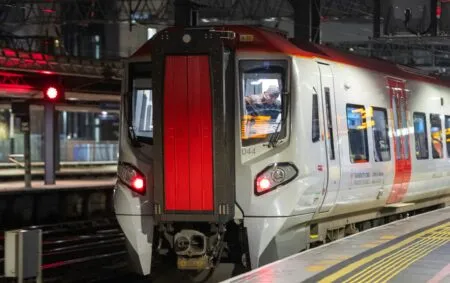
Transport for Wales - contact transformation at pace
Transport for Wales moved from initial workshops (June 2023) to go-live (September 2023), modernising its customer contact operation on a controlled timeline.
Where contact pressure really comes from
Demand builds across the journey – and spikes when journeys aren't clear or operational processes break.

-
Before travel: clear information and confidence to plan ahead
Give customers everything they need before they set off, from service information and facilities to policies and accessibility, reducing uncertainty and building confidence in the journey.
-
Booking and changes: simple, flexible and transparent transactions
Make it easy to book, amend or cancel with clear payment flows, instant confirmations and seamless access to tickets and boarding passes across every channel.
-
On-the-day travel: real-time, connected journey support
Deliver timely updates, clear wayfinding and proactive staff support so customers can navigate connections, platform changes and busy environments with ease.
-
Service changes and disruption: proactive communication when it matters mos
Keep customers informed during delays, cancellations or incidents with real-time updates, clear alternatives and consistent messaging across every touchpoint.
-
After travel: fast resolution and visible progress
Handle refunds, compensation and complaints efficiently, with clear status updates that reduce repeat contact and build long-term trust.
-
Accessibility and additional assistance: inclusive journeys without compromise
Provide joined-up support for assistance requests, ensuring continuity, safe escalation and a consistent experience for every customer, regardless of need.
The challenges travel leaders are tackling - and how we help
-
Keep passenger information consistent across touchpoints
Problem: Inconsistent answers across web, app, voice and frontline teams create repeat contact and loss of trust.
Why it matters: Conflicting guidance is a multiplier during disruption.
How FourNet helps: Define channel roles, strengthen knowledge governance, integrate operational context and align comms workflows so guidance stays consistent. -
Reduce avoidable contact and repeat chasing
Problem: “Just checking” and “status chasing” consumes capacity and slows resolution.
Why it matters: It crowds out complex, high-emotion and assistance scenarios.
How FourNet helps: Remove journey friction, simplify policies/forms, improve signposting, and automate only where journeys complete end-to-end with safe escalation. -
Protect performance during peaks and incidents
Problem: Seasonal peaks and event-driven spikes strain staffing and service levels.
Why it matters: Pressure builds across digital, phone and frontline simultaneously.
How FourNet helps: Forecasting, scheduling and intraday control, plus demand shaping through proactive updates and safe automation.
Transport for Wales introduced Workforce Management alongside contact modernisation to increase operational control. -
Modernise legacy environments without downtime
Problem: Siloed data and legacy platforms slow change while service must keep running.
Why it matters: “Big bang” change increases disruption and repeat contact.
How FourNet helps: Phased roadmaps, controlled transition planning, and integrations that enable end-to-end completion and status visibility. -
Keep passenger support resilient and secure
Problem: Outages and security incidents create immediate surges into assisted channels.
Why it matters: When the service isn’t dependable, contact pressure spikes instantly.
How FourNet helps: Availability targets, incident readiness, cyber resilience controls, and managed service support so passenger support remains dependable under pressure.
How FourNet helps travel operators

-
Make passenger information consistent by design
So passengers get the same answers – everywhere – with FourNet establishing a single, governed source of truth across web, app, IVR, chatbot, social and advisor channels, aligning ownership, removing duplication and enabling real-time updates to flow consistently across every touchpoint.
By embedding structured knowledge management and platform-level governance, we reduce repeat contact, improve first-contact resolution and build passenger trust through accurate, dependable information.
-
Orchestrate proactive service updates
So demand doesn't flood in when services change – by connecting operational data, ticketing systems and CX platforms to trigger targeted SMS, app, email and digital notifications before passengers feel the need to call.
Intelligent orchestration ensures the right message reaches the right audience at the right time, containing disruption-driven demand, smoothing contact spikes and protecting service levels during periods of change.
-
Modernise passenger support across channels
So passengers can move between channels without restarting – with integrated omnichannel platforms that create a single passenger view across voice and digital journeys, allowing conversations to persist as customers switch between chat, messaging, social and phone.
AI-powered agent assist, automated summaries and CRM integration improve handling times, increase digital adoption and enhance accessibility while maintaining service quality.
-
Optimise workforce performance in real time
So you handle peaks without degrading service – using advanced forecasting, dynamic skill allocation and real-time performance dashboards that align staffing to true demand drivers, including disruption and seasonal surges.
Automated reforecasting and live operational visibility enable rapid intervention, improving service level attainment, reducing avoidable cost and maintaining consistent passenger experience under pressure.
-
Build resilience and security into the service
So passenger support stays dependable when it matters most – underpinned by Secure Infrastructure 2.0 foundations, resilient connectivity, high-availability cloud platforms and a UK-based 24/7 Security Operations Centre delivering continuous monitoring and rapid incident response.
This ensures high availability, protected passenger data and regulatory compliance, keeping critical support services operational during disruption, infrastructure failure or cyber threat.
How can travel brands support vulnerable customers without slowing every journey down?
Our Approach
-
Discovery
Understand the service challenge
-
Analysis
Review where disruption, accessibility and complex journeys create support needs
-
Roadmap
Shape a roadmap for better digital journeys and assisted service
"The modernisation has given us the agility we need to support our community in a changing world, and FourNet’s partnership made it all possible."



If you’re already a client, please call us at 0845 055 6366 or email hello@fournet.co.uk.
FAQs
-
Do you work across rail, airlines, airports, ferries, coach and bus operators, and integrated transport networks?
Yes – the approach applies across operator types. Priority journeys vary, but the outcomes and methods are consistent.
-
How do you reduce avoidable contact in travel?
We identify true demand drivers and journey friction, then fix journeys, improve knowledge and signposting, and add automation only where it resolves end-to-end with safe escalation.
-
Can you integrate with booking, ticketing, CRM or case systems?
Integrations are often critical so journeys complete end-to-end and passengers can track status without chasing.
-
How do you handle disruption communications?
By connecting operational events to passenger journeys, sending clear updates with options, enabling next best actions (rebook/change, refund route, assistance request, callback), and feeding insight back into knowledge updates.
-
How do you protect service during peaks and incidents?
We combine workforce optimisation with demand shaping through proactive updates, clearer self-service and safe automation – so assisted channels stay protected for complex and high-emotion cases.
-
What’s the fastest way to start?
Begin with the Passenger Journey & Contact Pressure Diagnostic – you'll leave with the top drivers of repeat contact, quick wins, and a sequenced roadmap tied to measurable outcomes.